Caribbean Food Centennial: A Taste of Tradition and Innovation
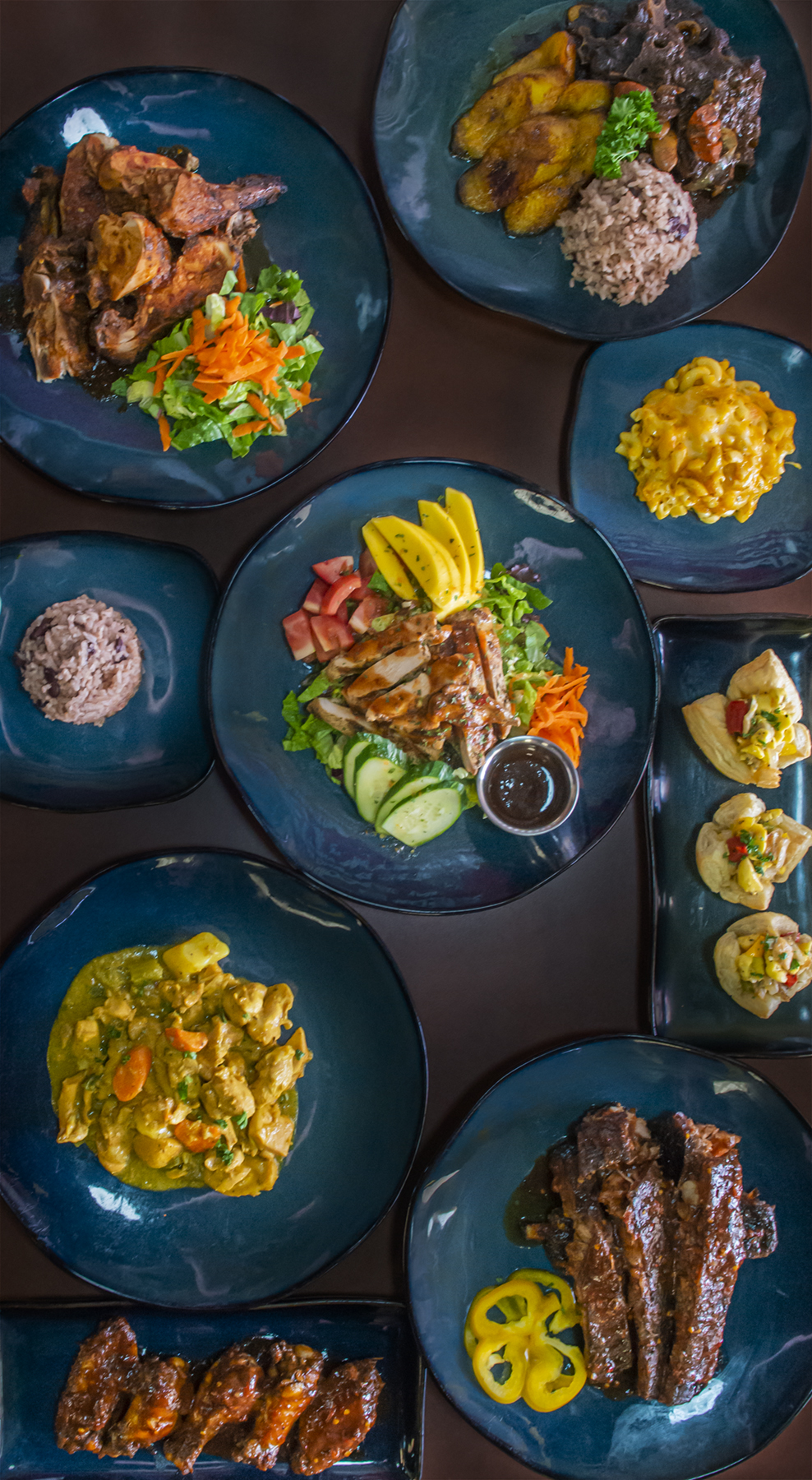
A centennial invites reflection, but food rarely sits still long enough to be framed like a museum piece. That tension is exactly what makes a Caribbean food centennial worth celebrating. Across the islands and coastal territories of the region, food has always carried more than flavor. It has carried memory, migration, survival, status, faith, weather, trade, and improvisation. A hundred-year view makes that clear. So does a single plate.
Stand in a Caribbean kitchen long enough and you start to understand that tradition is rarely rigid. A cook may insist on doing things the old way, then reach for a pressure cooker, a blender, or imported stock cubes without a second thought. That is not contradiction. It is continuity expressed through adaptation. The story of Caribbean food over the last century is not simply one of preservation. It is a story of cooks and communities making intelligent adjustments without losing the core of what makes the food unmistakably theirs.
The phrase "caribbean food centennial" suggests a milestone, but the cuisine itself resists neat boundaries. The Caribbean is not a single table. It is many tables, linked by climate, colonial history, seafaring routes, plantation economies, indigenous knowledge, and successive waves of African, Indian, Chinese, European, Levantine, and Latin American influence. Rice and peas in Jamaica, pelau in Trinidad, sancocho in the Dominican Republic, callaloo in several forms across the region, saltfish in multiple preparations, cassava breads, green seasonings, escovitch, doubles, bake and shark, conch fritters, roti, mofongo, pepperpot, cou-cou, and rundown each tell a different local story. Yet they speak to one another.
A century measured through the pot
If you look back roughly one hundred years, many of the defining features of Caribbean cooking were already in place. Provision grounds and local markets supplied yam, cassava, dasheen, breadfruit, plantain, pigeon peas, okra, pumpkin, and peppers. Salted cod, smoked meats, and preserved goods reflected the practical realities of distance and storage. Coconut, tamarind, cane sugar, citrus, and fresh herbs were not specialty items. They were everyday tools. Cooking methods were shaped by charcoal, wood fires, cast iron, and communal labor. Time itself moved differently in the kitchen.
What changed over the century was access. Refrigeration altered how households stored fish and meat. Urbanization changed how often families could maintain backyard fruit trees or kitchen gardens. Tourism influenced presentation and, at times, softened the more assertive edges of local cooking for visitors. Migration brought Caribbean flavors to London, Toronto, Miami, New York, Amsterdam, and beyond, then sent new ideas back home. Packaged ingredients entered the pantry. So did restaurant culture as a serious industry rather than occasional enterprise.
Even with those changes, many of the region’s strongest dishes still depend on the same principles: layer seasoning early, respect starches, understand heat, cook beans with patience, and never underestimate what acid can do to lift a heavy plate. A proper stew, whether brown, red, or coconut-based, succeeds or fails on timing more than on novelty. A pepper sauce can be complex or brutally direct, but it needs balance. A rice dish must absorb flavor rather than merely sit beside it. These are old lessons. They remain current.
The backbone ingredients that never lost relevance
Over a hundred years, certain ingredients have held the region together, even as recipes and techniques evolved. Ground provisions caribbean food centennial remain central because they answer several needs at once. They are filling, climate-suited, and deeply woven into local eating habits. Cassava, yam, sweet potato, green banana, and breadfruit are not nostalgic props. In many places they are still active staples and, increasingly, points of renewed culinary interest as chefs and home cooks look beyond imported wheat and heavily processed starches.
Legumes deserve equal attention. Pigeon peas, red kidney beans, black beans, chickpeas, and split peas have anchored countless meals, especially in households where feeding many people mattered more than delicacy. Beans helped cooks stretch protein, and they still do. That practical wisdom has aged well. The current enthusiasm for plant-forward eating often sounds modern, yet Caribbean kitchens have understood the power of legumes for generations.
Seasoning is another continuity that no serious discussion can ignore. Green seasoning, sofrito-like bases, epis-style herb blends, curry pastes, Scotch bonnet or other hot peppers, thyme, scallion, garlic, onion, pimento, culantro, and citrus define the region as much as any one protein does. Seasoning is where many Caribbean cooks reveal themselves. Give three cooks the same chicken and the same pot, and the differences will show up less in the meat than in the marinade, the browning, the restraint or generosity with pepper, and whether sweetness is used to round out the final dish.
How hardship shaped excellence
Caribbean food is often celebrated for abundance, but some of its finest dishes emerged from scarcity and discipline. That matters. It is easy to romanticize "rustic cooking" from a comfortable distance. It is harder, and more honest, to recognize that many beloved dishes were built under pressure: limited fuel, expensive imported goods, colonial extraction, low wages, interrupted supply chains, and the need to make one chicken feed a family rather than one person.
Saltfish and other preserved ingredients became cultural staples because they were durable and accessible, not because they were fashionable. Offal cookery, hearty soups, fritters, one-pot meals, and richly seasoned starches all reflect resourcefulness. So do the small but consequential habits experienced cooks rarely write down. Use bones for broth. Save frying oil carefully when appropriate. Stretch coconut milk across more than one preparation. Fry plantains at the right stage of ripeness so they read as intentional, not merely sweet. Repurpose roast meat in patties or savory fillings the next day.
Over time, techniques born of necessity became points of pride. That shift is one of the most revealing features of a Caribbean food centennial. What a previous generation did because it had to, a current generation may now celebrate as heritage. The danger is flattening that history into a purely aesthetic story. The strength lies in acknowledging both truths at once: these foods are beautiful, and many were shaped by hard circumstances.
Migration changed the menu, then changed it again
No account of Caribbean food over the last hundred years is complete without the diaspora. When Caribbean communities settled abroad in larger numbers across the twentieth century, they carried recipes, cravings, and instincts with them. They also encountered different produce, different regulations, and different customers. That produced subtle but important changes.
A roti shop in Toronto might source ingredients differently than one in Trinidad. A Jamaican restaurant in London may lean heavily on dishes that travel well and sell fast, while home cooks quietly maintain a broader repertoire that outsiders never see. In New York or South Florida, a Dominican cook may adapt seasoning levels to family preference, while keeping core techniques intact. This is not dilution by default. It is often strategic adjustment.
The diaspora also helped formalize certain foods as national symbols. Jerk, patties, curry goat, oxtail, and plantains became ambassadors, though not always complete ones. When a cuisine is introduced in new markets, a few dishes often do disproportionate cultural work. They become the shorthand. That visibility has benefits, but it can also narrow understanding. A serious appreciation of Caribbean food requires moving past the usual favorites and recognizing the quieter foods that define everyday life: porridges, soups, steamed vegetables, festival breads, boiled provisions, fish broths, cassava preparations, pepper sauces, and market snacks sold from trays, counters, and roadside stalls.
What innovation looks like when it is done well
Innovation in Caribbean cooking gets misunderstood. Some people imagine it means stacking familiar flavors into fine-dining architecture, making a callaloo foam, or turning jerk into an upscale glaze for diners who have never tasted proper jerk from a drum pan or pimento wood. Those experiments can be interesting, but innovation in this culinary tradition is often more grounded.
Good innovation respects structure. It asks what can change without breaking the dish. Can breadfruit stand in for a more imported starch in a modern menu? Absolutely. Can a chef make an elegant seafood course using coconut broth, charred lime, and local herbs while preserving the assertive flavor logic of the region? Certainly. Can cassava, sorrel, tamarind, sea moss, or guava be developed into contemporary beverages, pastries, and sauces that feel relevant to younger consumers? Yes, and many cooks are already doing so.
The best modern Caribbean kitchens tend to share a few habits:
- They source locally where possible, not as branding theater, but because fresher produce and seafood genuinely taste better.
- They modernize technique before they modernize identity, refining texture, timing, and consistency without sanding away flavor.
- They treat traditional ingredients as worthy centerpieces, not as novelty garnishes.
- They stay alert to labor and cost, because beautiful ideas fail quickly if they cannot survive service.
- They understand that heritage dishes carry emotional expectations, and diners notice when the soul has been engineered out.
That last point deserves emphasis. Many regional dishes are tied to family memory. People know how they should smell before they know how they should taste. A chef can reinterpret, but only within a field of trust. Once that trust is lost, the plate may still look modern, but it no longer feels Caribbean in the way that matters.
The street, the home, and the restaurant
One of the enduring strengths of Caribbean food is that it performs brilliantly at different scales. Street food, home cooking, and restaurant fare each reveal distinct qualities of the cuisine.
Street food tends to showcase speed, punch, and clarity. A vendor selling doubles, patties, accras, fried fish, or roasted corn cannot rely on elaborate explanation. The first bite has to communicate everything at once: spice, texture, freshness, heat, acid, and value. The best vendors understand pacing with almost theatrical precision. They know how long chutneys can sit before they dull, how steam affects a wrapper, and when oil is one batch past its prime.
Home cooking offers a different kind of depth. It is where dishes that require patience survive. Long-simmered stews, soups, casseroles, rice dishes with layered flavor, and recipes calibrated by memory rather than measurement belong here. In homes, food also keeps rituals alive. Saturday soup, Sunday rice and peas, Christmas black cake, Easter bun, market-day snacks, and special preparations for wakes, christenings, and festivals all reinforce the fact that Caribbean food is not just consumed. It is scheduled into life.
Restaurants occupy a more complicated space. They must satisfy nostalgia, attract newcomers, manage labor costs, and deliver consistency under pressure. When they succeed, they become cultural institutions. When they misjudge their audience, they either become too generic to matter or too rigid to grow. The strongest establishments usually find a middle path. They hold the line on seasoning and cooking logic while improving service, presentation, and ingredient handling in ways that older kitchens may not have had the resources to prioritize.
The role of celebration food
If everyday dishes show the backbone of a cuisine, celebration food shows its ambition. Caribbean festive cooking is often lavish, not necessarily in luxury ingredients alone, but in labor, abundance, and emotional charge. Holiday tables, wedding feasts, carnival-season foods, and village or parish events bring out dishes that are more time-intensive, more communal, and often more regionally specific.
At these moments, food becomes declaration. Black cake soaked for weeks or months, sorrel brightened with ginger and spice, roasted meats glazed until lacquered, rich curries deepened over several stages, and large pots of rice or peas cooked for many people all tell guests that the occasion matters. A centennial lens makes these foods especially meaningful because they reveal what communities choose to preserve when effort is high.
One practical truth often overlooked is that celebration foods are also training grounds. Younger cooks learn by helping. They wash leaves, grate coconut, peel root vegetables, watch sugar stages, taste pepper sauces with caution, and absorb the tempo of group cooking. Skills move through bodies, not just recipe cards. If those occasions disappear, knowledge thins faster than people realize.
What younger cooks are doing differently
A new generation of Caribbean cooks is changing the conversation in promising ways. Some are reexamining indigenous ingredients and foodways that long sat in the shadows of more commercial dishes. Others are taking pastry, fermentation, coffee, rum, cacao, and beverage programs more seriously, treating them as creative domains rather than afterthoughts. Many are also more comfortable speaking openly about sustainability, labor fairness, and the economics of food production.
Younger cooks tend to ask sharper questions about ingredients. Why import what grows nearby? Why frame local produce as humble when global restaurants would market it as distinctive? Why should cassava flour, breadfruit flour, local cocoa, or bush teas remain niche when they can support stronger regional supply chains? Those are not abstract questions. They connect directly to farm livelihoods, public health, and culinary sovereignty.
At the same time, youth-driven innovation sometimes stumbles when it mistakes reinvention for depth. A dish can be visually striking and still feel underseasoned, historically unmoored, or careless with texture. Experience teaches restraint. Not every traditional food benefits from deconstruction. Some need better sourcing, better service, or more precise cooking rather than conceptual redesign.
Pressure points that will shape the next century
Any meaningful discussion of a caribbean food centennial should be honest about the pressures ahead. Climate change is perhaps the most obvious. Stronger storms, shifting rainfall, coastal erosion, warming seas, and crop vulnerability affect both ingredient supply and food prices. Fisheries are under strain in some areas. Farmers face pests, input costs, and land pressures that make continuity difficult.
Tourism remains a double-edged force. It can sustain restaurants, create jobs, and elevate local ingredients. It can also encourage a simplified version of the cuisine, one built around what visitors already recognize. The risk is not fusion itself. Caribbean food has always been hybrid. The risk is flattening complexity into a short menu of exportable hits.
Public health is another major concern. The region has rich traditions of vegetable cookery, legumes, fish, and fresh fruit, but it also grapples with the long-term effects of imported processed foods, sugary drinks, and changing work patterns that reduce time for home cooking. Celebrating heritage food should not mean pretending all inherited habits are equally beneficial. The strongest food cultures evolve with clear eyes.
Several priorities seem especially important for the decades ahead:
- Protect local agriculture and fisheries through smarter purchasing and policy support.
- Document recipes, techniques, and oral histories before they disappear with elders.
- Invest in culinary training that values regional knowledge as much as imported prestige models.
- Encourage food businesses that make traditional ingredients convenient without stripping them of quality.
- Teach younger people not only what dishes are called, but why they are made the way they are.
These priorities are less glamorous than social media trends, but they matter more. Food heritage survives when systems support it, not only when hashtags celebrate it.
Memory on the plate
The most persuasive argument for honoring a century of Caribbean food is not academic. It is sensory. It lives in the smell of thyme hitting hot oil, in the sweet earthiness of pumpkin soup, in the snap of fried dough, in the heat of pepper arriving a second too late, in the dense perfume of spice cakes and fruit preserves, in the quiet satisfaction of a pot that fed more people than expected.
Food from this region tends to create vivid recall because it is layered. Sour, sweet, hot, bitter, smoky, briny, and starchy often appear in the same meal. Texture matters as much as seasoning. So does contrast. Crisp beside soft, gravy beside rice, fresh pickle beside something rich, a cooling drink against serious heat. That is part of why the cuisine travels so well emotionally. Even when ingredients vary, its internal logic remains recognizable.
Professionally, that is what I find most compelling about the centennial idea. It gives equal space to reverence and revision. It allows cooks to say, with integrity, that old recipes deserve protection and that new methods have a place. It welcomes the grandmother who never measured a thing and the young chef calibrating acidity to the gram, as long as both understand what the food is trying to say.
A century of Caribbean cooking has proven that identity in the kitchen is not maintained by freezing time. It is maintained by knowing which details are foundational and which are flexible. The pot can change. The fire can change. The market can change. The people around the table can change. Yet the cuisine endures because its deepest habits, generosity, intensity, thrift, rhythm, and pride, continue to find expression.
That is what a caribbean food centennial really celebrates. Not just age, and not just heritage, but a living cuisine with enough memory to stay rooted and enough confidence to keep moving.
Reggae Pot Jamaican Grill
Address: 7562 S University Blvd Unit C, Centennial, CO 80122
Phone: (303) 997-5623
FAQ About caribbean food centennial
What Jamaican dishes can I try in Centennial?
Reggae Pot Jamaican Grill serves Jamaican specialties such as jerk chicken, stewed oxtail, curry goat, and ackee and saltfish. Check the current menu for availability.
What is ackee and saltfish?
It is Jamaica’s national dish. The restaurant prepares ackee with salted cod, onions, thyme, tomatoes, garlic, black pepper, and pimento.
Can I order Jamaican food for pickup in Centennial?
Yes. Choose the Centennial location at 7562 S University Blvd Unit C when placing a takeout order.