Caribbean Food Centennial: 100 Years of Cooking With Character
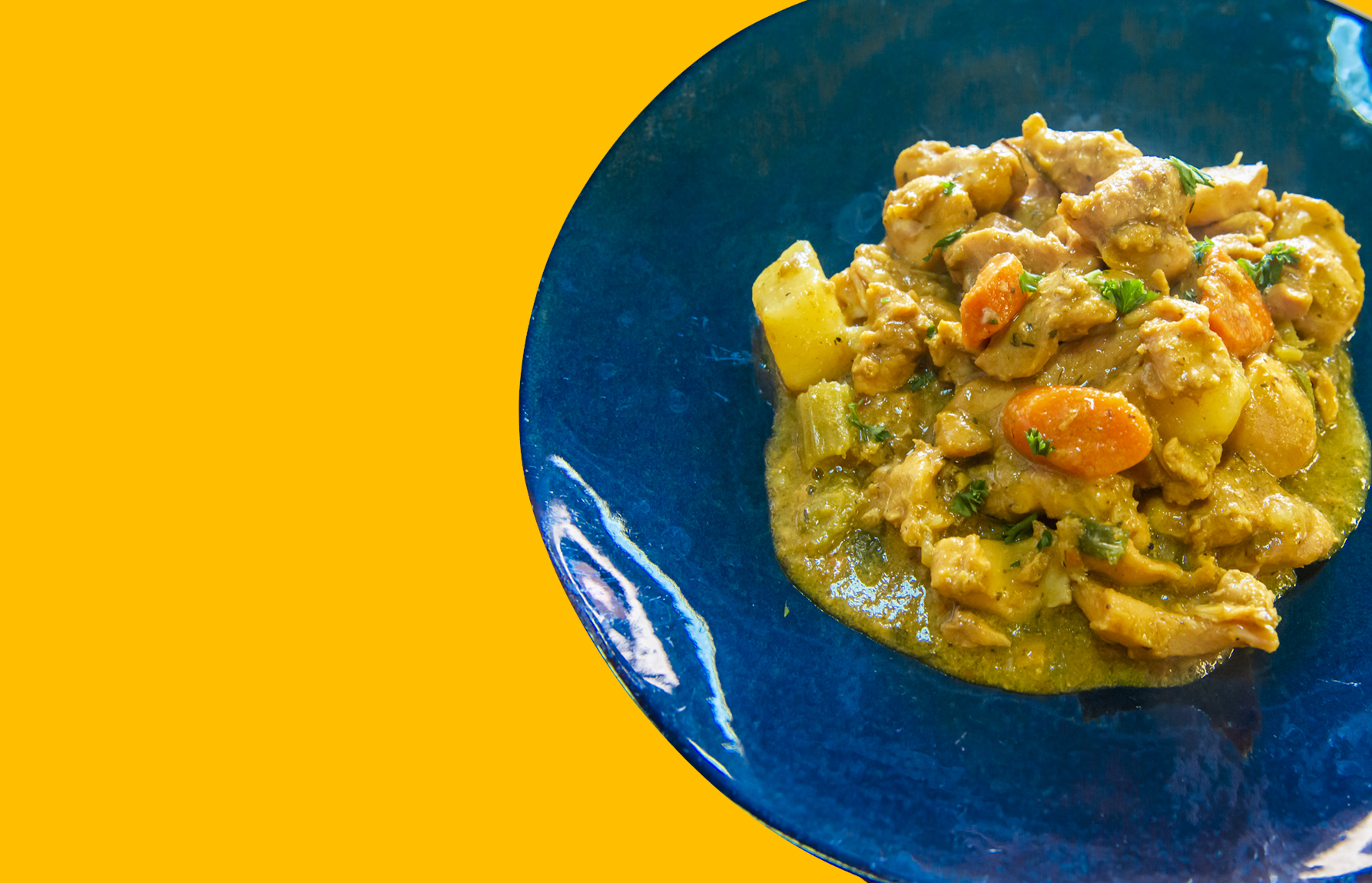
A centennial invites nostalgia, but Caribbean food resists being framed as a museum piece. It is too alive for that. Across the islands and along the mainland coasts that belong to the Caribbean world, cooking has always moved with people, weather, trade, faith, scarcity, celebration, and sheer improvisation. To talk about a Caribbean food centennial is not to mark a neat hundred-year timeline with one beginning and one destination. It is to look at a century of cooking with character, where recipes endure precisely because they adapt.
That character shows up on the plate long before anyone tries to define it. It is there in the smoke that clings to pimento wood. It is there in the sharp lift of lime over fish, the sweetness that tempers heat, the way coconut can soften a broth without dulling it. It is there in cooking that knows how to stretch a little meat, honor a ground provision, season rice properly, and make a feast from what another cuisine might overlook. Anyone who has spent time around a Caribbean kitchen knows that flavor is rarely accidental. Even humble food is expected to have backbone.
What makes the subject especially rich is that there is no single Caribbean table. Jamaica is not Trinidad. Trinidad is not Puerto Rico. Puerto Rico is not Haiti. The Dominican Republic is not Barbados. Martinique is not Guyana. Yet the region shares a recognizable culinary grammar: layered seasoning, respect for texture, practical thrift, and a comfort with contradiction. Sweet sits beside savory. Fire meets coolness. Long simmering lives comfortably alongside quick frying. African, Indigenous, European, Indian, Chinese, Middle Eastern, and creole influences do not cancel one another out. They become daily food.
A century measured in kitchens, not slogans
The last hundred years changed Caribbean cooking in visible and subtle ways. Fuel shifted from wood fires and coal pots to gas stoves and electric ranges. Milling, refrigeration, and imported staples altered what was practical at home. Migration carried recipes into London, Toronto, New York, Miami, Panama City, and beyond. Tourism encouraged some dishes to become symbols, sometimes flattening them in the process. At the same time, family cooking kept its own logic, largely indifferent to branding.
If you ask older cooks what changed most over the decades, many start with time and ingredients. There was a period when more households peeled, grated, soaked, pounded, and ground by hand because there was no shortcut. Coconut milk often came from fresh coconut. Spice pastes were made in a mortar. Saltfish was not a novelty ingredient or a nod to heritage. It was practical protein. Breadfruit, cassava, eddoes, yams, green banana, and dasheen were not rediscovered foods. They were regular food.
That does not mean the past was automatically better. Earlier cooking often demanded exhausting labor, especially from women who were expected to feed large households with limited equipment and tight budgets. The romance of tradition can hide the sheer work involved in grating cassava for pone, cleaning callaloo, scaling fish, or tending a pot for hours in tropical heat. Modern convenience has spared many cooks that burden. Frozen vegetables, blenders, pressure cookers, and supermarket spice blends all changed the rhythm of the kitchen. The trade-off is clear. Speed can save dinner, but it can also shave off texture, aroma, and a bit of the cook’s personal mark.
The stronger Caribbean kitchens found a compromise. They adopted tools without surrendering standards. A blender can make a green seasoning faster than a mortar ever did, but the balance still matters. If the herbs are stale or the garlic is timid, the machine cannot rescue the result. Convenience works best when judgment stays in charge.
Flavor built in layers
One of the most distinctive features of Caribbean cooking is that flavor is rarely loaded at the end. It is built from the start. This matters more than any single ingredient. A pot of rice and peas succeeds or fails on preparation long before the lid goes on. The same is true for pelau, sancocho, mannish water, pepperpot, stewed chicken, or curry goat.
Seasoning pastes and marinades tell part of the story. Green seasoning in Trinidad and Guyana, epis in Haiti, sofrito in Puerto Rico and the Dominican Republic, wet rubs in Jamaica, and herb-spice blends in many island kitchens all perform a similar task. They create a foundation that settles into the food instead of floating on top of it. Fresh thyme, scallion, onion, garlic, celery, culantro or cilantro, parsley, ginger, Scotch bonnet or another local pepper, black pepper, and citrus often appear in different combinations. The ratios are rarely written with precision. Experienced cooks tend to adjust by smell first.
That habit can frustrate people looking for exact replication. They ask how many cloves of garlic, how much thyme, how much pepper. The honest answer is that Caribbean food often depends on reading the ingredient in front of you. One bunch of scallions may be sharp and assertive. Another may taste almost sweet. One Scotch bonnet may perfume a whole pot. Another may barely register. Good cooks taste early, smell often, and season in stages.
Character also comes from browning. In many kitchens, sugar is taken to a dark caramel before meat goes into the pot. This step, common in stews and some one-pot dishes, contributes color and depth that canned sauces cannot imitate. It also carries risk. Leave the sugar a few seconds too long and the bitterness takes over. This is a small example of how Caribbean food rewards confidence but punishes carelessness. There is technique under the warmth.
The pantry of necessity and imagination
Caribbean food has always excelled at turning modest ingredients into memorable meals. This is not a sentimental point. It comes from economies shaped by plantation history, colonial extraction, uneven land ownership, and imported dependency. People cooked with what was available, what could grow in local soil, what could be preserved, and what could feed many mouths.
Saltfish is a classic example. Once a durable staple of trade routes and working-class survival, it became central to several cuisines. In one place it is folded into fritters, in another sautéed with tomatoes and onions, in another paired with ground provisions or ackee. The ingredient carries history, but the food does not taste like hardship. Properly prepared, it tastes bright, savory, and complete.
Ground provisions tell a similar story. Yam, cassava, taro, sweet potato, green fig, breadfruit, and plantain have fed the region for generations. They are practical crops, but they are also deeply satisfying to eat. A boiled provision plate with fish and sauce can be austere or luxurious depending on the cook’s hand. The difference usually comes down to seasoning, cooking time, and balance. Overcook a breadfruit and it turns mealy. Underseason a yam and it feels flat. But when done well, these foods offer the kind of fullness that polished restaurant starches rarely match.
Legumes have long carried the week. Pigeon peas, red beans, black beans, lentils, split peas, and chickpeas appear in soups, stews, rice dishes, and side preparations that can anchor a meal without apology. Coconut, meanwhile, Reggae Pot Jamaican Grill caribbean food centennial crosses categories with ease. It enriches rice, sauces, sweets, beverages, and broths. In many households, coconut is not a trend ingredient. It is simply one of the ways the kitchen thinks.
Fire, smoke, and the appetite for contrast
If there is a sensory shorthand for much of Caribbean food, it is contrast. Crisp edges and soft centers. Heat cut by acid. Sweetness beside char. Cooling slaw against fried fish. Pepper sauce on the table, but perhaps avocado, cucumber, or mango nearby. This is food that keeps the palate awake.
Grilling and smoking deserve special attention here. Jamaican jerk is the most globally recognized example, but smoke culture runs wider than that single tradition. Fish cooked over coals, meats grilled at roadside stalls, bread baked in outdoor ovens, and even the faint smokiness of foods once cooked over charcoal all shape the memory of the region. Smoke contributes more than flavor. It changes texture, especially when fat meets open heat and begins to baste the food from within.
Hot pepper, often discussed lazily as a thrill or a dare, is better understood as an aromatic ingredient. Scotch bonnet and related peppers contribute fruitiness as much as heat. In a good pepper sauce, heat should not erase flavor. It should amplify it. There is a practical skill to this. Too much raw pepper in a delicate fish broth can deaden the dish. Too little in a hearty stew can leave it lifeless. Caribbean cooks tend to know which foods should roar and which should hum.
The region also has a serious sweet tooth, though it is rarely disconnected from spice, fruit, or texture. Rum cake, black cake, coconut drops, cassava pone, sweet potato pudding, sugar cake, tamarind balls, guava pastries, and fresh fruit preserves reveal a dessert tradition that values intensity. These are not shy sweets. Molasses, dark fruit, warming spice, caramelized sugar, and concentrated coconut all have their place. After a peppery meal, that depth feels earned.
Migration changed the menu, not the soul
No honest account of the last hundred years can ignore migration. Caribbean food traveled because Caribbean people traveled, often in response to economic need, political change, educational opportunity, or family ties. When they moved, they carried taste memory with them. That movement transformed both home cooking and public dining.
In diaspora cities, cooks learned to substitute. If fresh callaloo was scarce, spinach or amaranth stepped in. If certain fish were unavailable, another local catch took its place. Frozen grated coconut became normal. Goat grew expensive. Oxtail shifted from butcher’s bargain to premium item. Plantains remained relatively easy to find, but breadfruit, sorrel, and certain tubers were more episodic, showing up in seasonal shipments or specialist shops.
These substitutions were not always ideal, but they kept cuisine alive. Some even produced new classics. Caribbean Chinese takeout, West Indian rotis adapted to urban lunch service, Haitian pâtés in North American bakeries, and Puerto Rican holiday foods made with supermarket constraints all demonstrate the same point. Authenticity, when defined too rigidly, misses how real kitchens survive. A dish can change in form and still preserve its character if the seasoning logic, the intended texture, and the cultural meaning remain intact.
Restaurants also played a double role. They preserved flavors for people far from home, but they sometimes narrowed public perception. Diners came to associate whole national cuisines with a short menu of celebrity dishes: jerk chicken, curry goat, doubles, mofongo, roti, patties. Those foods matter, but they are not the whole story. Everyday soups, breakfast porridges, festival foods, post-funeral meals, fasting foods, and market snacks often reveal more about a culture than the dishes chosen for export.
What a good Caribbean cook knows without announcing it
Technique in Caribbean food often hides behind apparent ease. The dishes can look generous and informal, but they depend on timing and restraint. Rice is a perfect case. Cooks know the exact moment to lower the heat, the amount of liquid a particular grain wants, and when to leave the pot alone. Frying also carries unwritten rules. Oil temperature matters. Batter consistency matters. Draining matters. The difference between a light fritter and a greasy one is usually a matter of attention, not recipe.
Soup offers another lesson. A proper Caribbean soup, whether built on pumpkin, split peas, beef, fish, or provisions, is seldom just a matter of boiling everything together. Ingredients go in by order. Hard provisions need time. Dumplings need enough simmer to cook through without toughening. Herbs should be present, but not cooked to the point of tasting muddy. A broth needs body, yet it should still feel drinkable. These are small calibrations, learned by repetition.
Seasonality used to teach these lessons more forcefully. Mango season meant abundance followed by absence. Sorrel belonged to a certain time of year. Fresh pigeon peas had their moment. Even now, despite imports, the best cooks still respond to timing. They know a rainy season can affect produce. They know old crop yams behave differently from fresh ones. They know a fish market tells the truth that a fixed menu cannot.
Celebration food and everyday food speak to each other
One of the pleasures of Caribbean cuisine is how closely special-occasion food remains tied to everyday habits. Festival meals tend to magnify familiar flavors rather than invent entirely separate ones. A Christmas table in the region may be richer, darker, sweeter, and more meat-heavy than a weekday dinner, but it still feels legible within the ordinary language of the kitchen.
Black cake offers a good example. It is ceremonial, often expensive to make well, and associated with holidays and milestones, yet its logic is thoroughly Caribbean. Dried fruit soaked for a long period, dark browning, warming spice, and often a strong hand with alcohol all reflect a taste for depth rather than delicacy. Likewise, large rice dishes cooked for gatherings, whole fish presentations, festive drinks made from sorrel, mauby, ginger, or sea moss, and labor-intensive sweets all emerge from ingredients and methods familiar to the household.
Street food belongs in this conversation too. A serious culinary history of the Caribbean must include the vendor with the drum pan, the woman frying bake at dawn, the man cutting cane juice, the roadside grill sending smoke across traffic, the doubles stand working at astonishing speed, the coconut cart, the soup man whose Saturdays draw a line before sunrise. Public food culture often preserves tradition more faithfully than formal dining does. It also reveals local priorities: portability, flavor concentration, value, and social ease.
Why the next hundred years will still taste like home
The future of Caribbean cooking will not be simple. Climate pressure threatens fisheries, coastal agriculture, and the consistency of many staple crops. Imported processed food continues to shape diets in unhealthy ways. Younger cooks may know the flavor of a dish without knowing how to prepare it from scratch. Restaurants serving Caribbean food abroad often face the tension between staying true to the cuisine and appealing to customers who want familiarity more than honesty.
Still, there are reasons for confidence. Across the region and throughout the diaspora, cooks are returning to breadfruit, cassava, local greens, heritage rice varieties, and traditional preservation techniques with fresh seriousness. Some are doing it in fine-dining spaces, but many are doing it more usefully at home, in community kitchens, at market stalls, and through small food businesses. The most promising work is not an exercise in nostalgia. It is practical. It asks how to keep flavor, memory, and nutritional sense intact under new conditions.
A real caribbean food centennial should celebrate exactly that kind of continuity. Not a frozen archive, not a tourist brochure, and not a contest over who owns the one true version of a dish. The lasting achievement of Caribbean cooking is that it has never needed purity to keep its identity. It has needed confidence, judgment, and a respect for ingredients that carry history in ordinary form.
That is why a pot of callaloo can still stop a room. Why a well-made curry can smell like home from the front gate. Why roast breadfruit and saltfish can feel complete without ceremony. Why a spoonful of pepper sauce can wake up not only the palate but the memory. Over a hundred years, and much longer if we are being honest, Caribbean food has kept its character by refusing to become flat. It remains complex, generous, and unmistakably itself.
That is no small culinary accomplishment. It is the record of people who learned to season deeply, adapt intelligently, and feed one another with pride. On any island, in any borough, in any kitchen where thyme hits hot oil and someone tastes the pot before serving, that record is still being written.
Reggae Pot Jamaican Grill
Address: 7562 S University Blvd Unit C, Centennial, CO 80122
Phone: (303) 997-5623
FAQ About caribbean food centennial
What Jamaican dishes can I try in Centennial?
Reggae Pot Jamaican Grill serves Jamaican specialties such as jerk chicken, stewed oxtail, curry goat, and ackee and saltfish. Check the current menu for availability.
What is ackee and saltfish?
It is Jamaica’s national dish. The restaurant prepares ackee with salted cod, onions, thyme, tomatoes, garlic, black pepper, and pimento.
Can I order Jamaican food for pickup in Centennial?
Yes. Choose the Centennial location at 7562 S University Blvd Unit C when placing a takeout order.