A Century of Caribbean Food Centennial Joy on Every Table

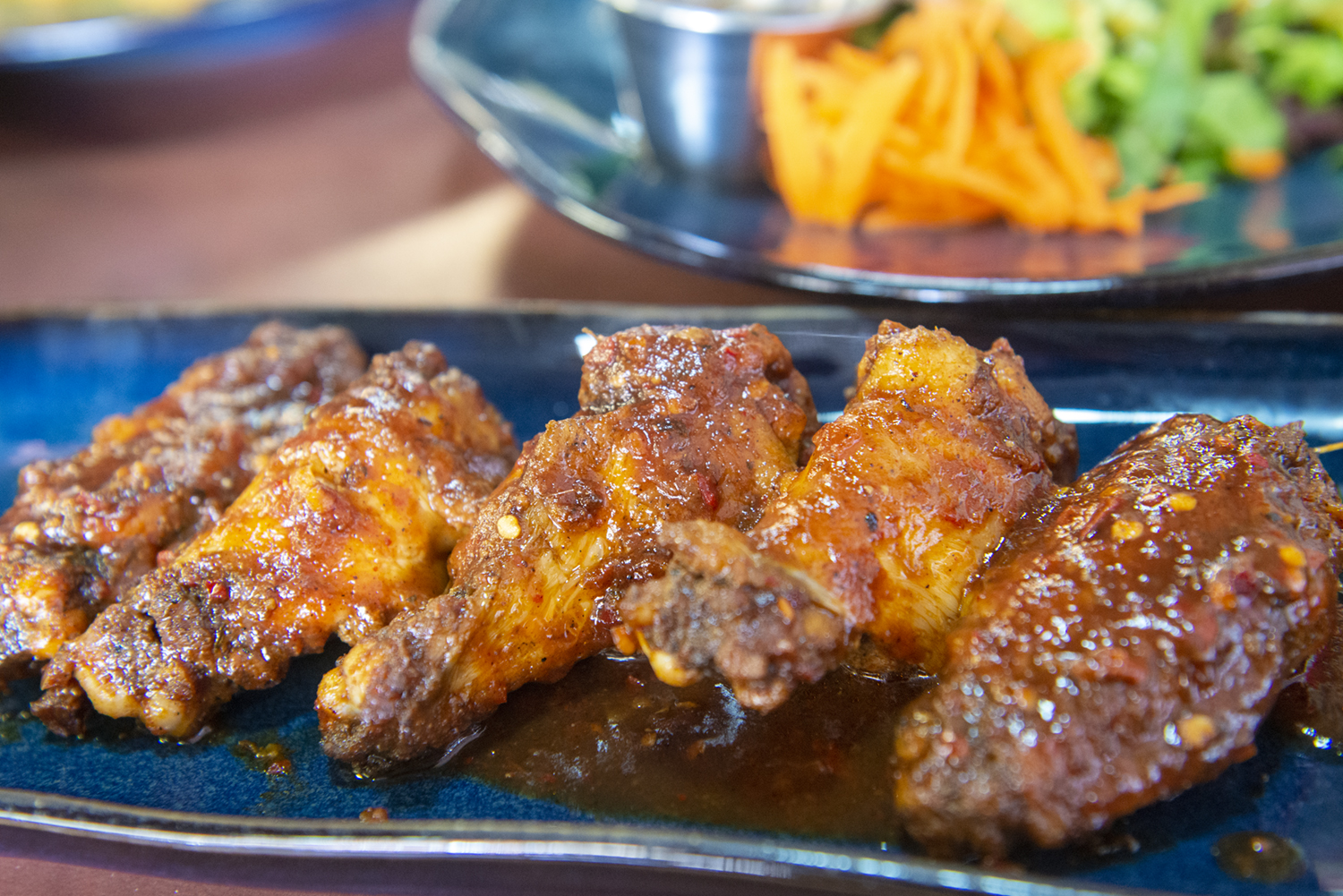
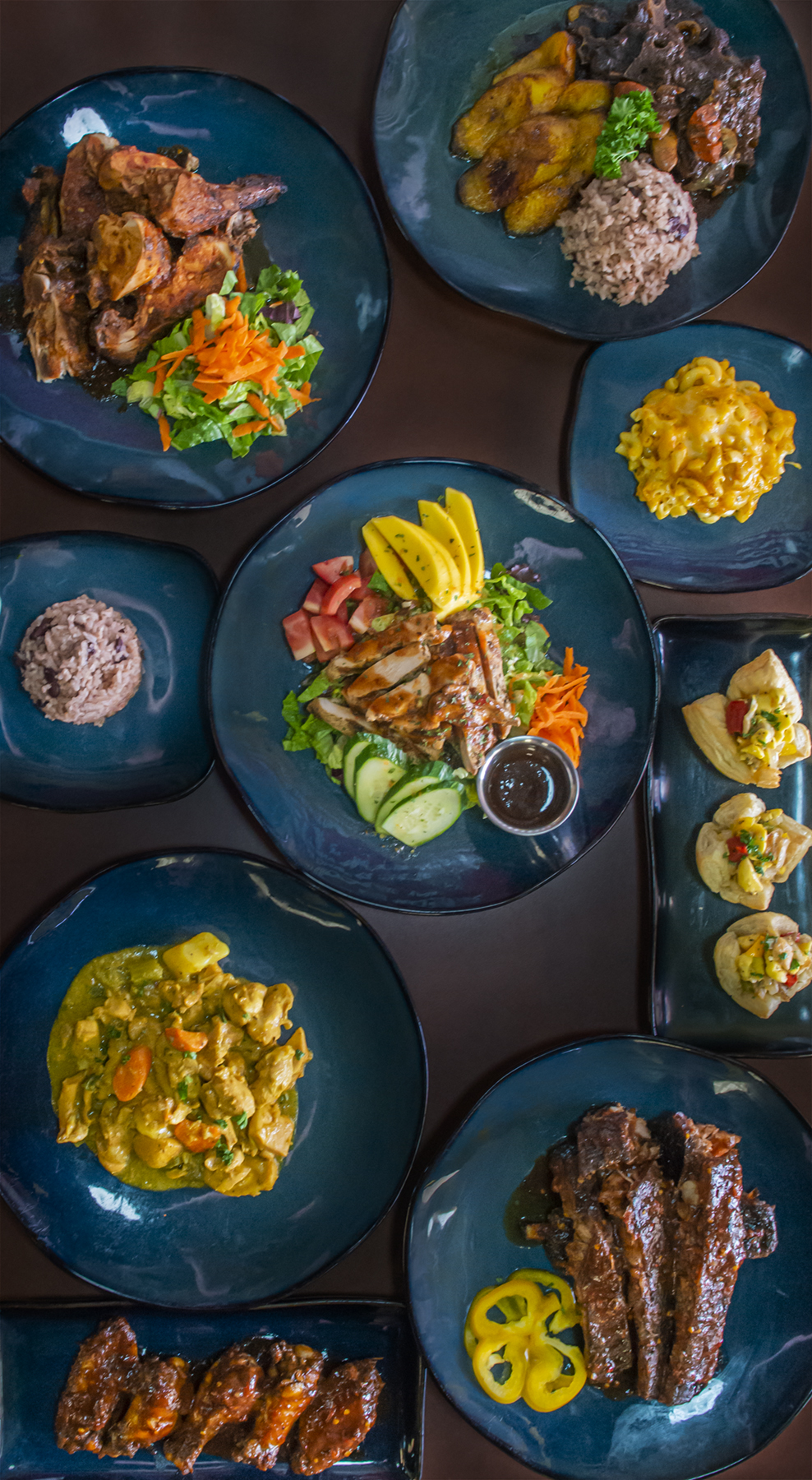
A centennial is never just a date on a banner. In Caribbean homes, halls, churches, schoolyards, and family compounds, the hundred-year mark becomes something you can smell long before you see it. Goat simmering with fresh thyme. Coconut milk reducing slowly in a wide pot. Green plantains meeting hot oil. The sharp, clean scent of citrus rubbed into fish. Someone grating nutmeg. Someone else arguing, gently but with conviction, that the black cake needs another week to mature.
That is the power of a food tradition with real staying power. When people talk about a celebration reaching one hundred years, food does more than feed the crowd. It stitches memory to ceremony. It settles old disputes for an afternoon. It gives the youngest cousins a taste that explains where they come from more clearly than any speech from a podium.
The phrase "caribbean food centennial" may sound like a modern label, but the experience itself is deeply familiar across the region. Whether the event honors a village anniversary, a church centenary, a national milestone, a school founded a century ago, or the hundredth birthday of a beloved elder, the table becomes the archive. Recipes carry migration histories, plantation legacies, African technique, Indian spice traditions, Indigenous ingredients, Chinese and Lebanese influence, European methods, and local improvisation born from weather, cost, and necessity. Every island has its own emphases. Every family does too.
What matters is not a museum-perfect recreation. It is the living, breathing meal that respects the past while feeding the present.
When a hundred years tastes like home
The Caribbean does not have one cuisine. It has a conversation among many cuisines, shaped by sea routes, empire, labor, survival, and celebration. That is why centennial cooking in the region rarely lands on one neat formula. In Jamaica, a commemorative spread might lean on escovitch fish, curried goat, rice and peas, festival, and gizzada. In Trinidad and Tobago, doubles may appear for morning guests before larger trays of pelau, callaloo, stewed chicken, and pastelles for the formal gathering. In Barbados, pudding and souse can sit comfortably alongside cou-cou and flying fish. In Haiti, soup joumou carries a political and historical force few dishes anywhere can match. In Puerto Rico and the Dominican Republic, roast pork, arroz con gandules, pasteles, and flan can define the emotional center of the feast.
What ties these foods together is not sameness. It is depth of meaning. A centennial menu in the Caribbean tends to favor dishes that can feed many, hold well, and carry memory in every bite. This is practical wisdom, not sentimentality. If you have ever cooked for one hundred and fifty people in tropical heat, you learn quickly that romance without logistics leaves hungry guests and stressed cooks. The foods that survive over generations do so because they are delicious, yes, but also because they are caribbean food centennial adaptable, economical when planned carefully, and built for shared labor.
That shared labor is often the real celebration. Before the first plate is served, there has usually been a full day, sometimes several days, of work. Peas soaked. Meats seasoned overnight. Sweet potatoes peeled. Bananas leaves wiped down. Stockpots borrowed from neighbors. Folding tables dragged out. Older women and younger men, or the reverse, depending on the family, all giving instructions at once. One person knows exactly how dark the sugar should go before the stew base is ready. Another can judge doneness from the smell alone. Nobody writes any of this down because the knowledge lives in hands, in timing, in correction.
The food is history, but it is also judgment
Anyone serious about centennial cooking in the Caribbean understands a simple truth. Authenticity is not rigid. It is informed judgment.
A dish may need to change depending on the crowd, the budget, the season, and the location. A family in Brooklyn planning a Caribbean church centennial may not have access to the same cassava, pimento, or fresh fish they would buy in St. Lucia, Grenada, or Guyana. They adjust. They source from West Indian markets. They substitute carefully. They keep the spirit and the structure of the dish intact even if one ingredient shifts.
The same is true within the region itself. One island’s festive rice dish may be another island’s side. One household sweetens bread more than the next. Pepper sauce intensity can move from gentle warmth to what can only be described as a challenge to your personal dignity. These differences are not flaws. They are the reason the food remains alive.
For a centennial table, that flexibility matters. Older guests often want dishes that taste recognizably like home. Younger guests may be more adventurous, or more health-conscious, or simply more used to mixed menus. The cook has to decide where compromise serves the occasion and where it weakens it. I have seen events where everything was modernized so aggressively that the elders ate politely and went home hungry. I have also seen menus frozen so tightly in the past that they ignored practical realities, including dietary restrictions and ingredient cost. The best centennial meals strike a balance. They preserve the dishes that define the memory of the community while making room for the people actually present.
What belongs on a centennial table
No single menu can represent the whole Caribbean, but certain categories show up again and again because they carry both flavor and symbolic weight.
- A deeply seasoned main dish, such as curried goat, stewed chicken, roast pork, escovitch fish, or pepperpot
- A starch with presence, often rice and peas, pelau, cou-cou, ground provisions, dumplings, or cassava-based preparations
- A vegetable dish that is more than an afterthought, like callaloo, stewed cabbage, breadfruit, or pumpkin
- A sauce or condiment with real personality, from pepper sauce to pikliz to tamarind chutney
- A dessert that signals festivity, often black cake, coconut tart, bread pudding, sweet potato pone, flan, or rum-soaked sweets
What matters is the relationship among the dishes. A rich curried goat needs relief and support from rice, cucumber, a crisp slaw, or a cleaner vegetable side. A salt-forward cod dish may want the softness of boiled green banana or provision. Heavy menus can wear out the palate if every item is dark, rich, and stewed. Experienced cooks understand pacing on the plate. They build contrast through texture, acid, herbs, and heat.
That is one reason Caribbean food often feels so satisfying at major celebrations. It is rarely one-note. You get softness from rice, chew from meat browned properly, brightness from lime, sweetness from plantain, fire from Scotch bonnet, bitterness from greens, and perfume from thyme, scallion, allspice, cinnamon, clove, or bay. A centennial meal should feel generous, but generosity does not mean excess for its own sake. It means enough variety that each guest finds something familiar and something memorable.
Signature dishes that carry a hundred years well
Curried goat has earned its place at large Caribbean gatherings because it rewards patience and scales beautifully. Done well, it is not merely spicy. It is layered with toasted curry, garlic, onion, ginger in some households, thyme, black pepper, and enough time for connective tissue to soften into the gravy. The best versions keep the meat distinct rather than shredding it into anonymity. At a centennial, that matters. Guests notice when corners were cut.
Rice and peas, despite the casual way people speak about it, is not simple filler. It is structure. The rice carries coconut, scallion, thyme, and the flavor of the peas themselves, whether kidney beans, gungo peas, or pigeon peas depending on the tradition. If the rice is greasy, mushy, or under-seasoned, the whole plate feels off balance. Centennial food teaches this lesson repeatedly. The side dishes are never just side dishes.
Then there is callaloo, one of the region’s great examples of a dish that changes shape while retaining identity. In Trinidad, callaloo often becomes a velvety, coconut-rich pot with leafy greens, okra, aromatics, and sometimes crab. Elsewhere, related greens preparations can be looser or firmer, simpler or more elaborate. At a commemorative meal, callaloo often plays an important role because it softens and rounds the plate. It also speaks to agricultural memory, to the old relationship between kitchen and yard, market and season.
Desserts deserve more respect in these celebrations than they sometimes receive from planners. Black cake, for example, is not just the final sweet. It is evidence of foresight. Good black cake asks for soaking, aging, and confidence with spice and browning. Coconut drops or tarts bring another kind of pleasure, more immediate, more textural, often tied to school fêtes and church fundraisers. Sweet potato pone, dense and fragrant, can feel almost ceremonial when made properly. These are not decorative extras. They complete the story.
Feeding many people without losing the soul of the food
Centennial events are often large enough to expose the difference between home cooking and event cooking. The challenge is not just scaling up quantities. It is preserving quality when the pot grows huge and service stretches over hours.
Seasoning has to go deeper than the surface. A common mistake at big functions is under-seasoning the center and over-seasoning the gravy. Another is crowding the pan when browning meat, which steals the roasted notes that make stewed dishes taste finished rather than flat. Rice cooked in massive quantities can go from perfect to clumped surprisingly fast if held poorly. Fried elements, from plantains to fish, lose their magic if prepared too far in advance without a plan.
This is where experienced Caribbean cooks shine. They know which dishes can be cooked the day before and improve with rest. They know which items need last-minute finishing. They know that chutneys, pepper sauces, pickled vegetables, and relishes can wake up a plate that has traveled. They know a buffet line moves faster if gravy is already portioned, and they know guests forgive modest décor long before they forgive dry chicken.
At one community anniversary meal I attended years ago, the organizing committee spent heavily on imported linens and floral centerpieces but tried to economize on the cooking labor. The result was predictable. Service lagged, the rice tightened in pans, and the fish arrived tired. The next year, for a smaller event, they reversed their priorities. Fewer decorations, more trained hands in the kitchen, clearer prep timelines, proper holding equipment. The food was dramatically better, and guests talked about it for months. That is the kind of practical wisdom centennial planners ignore at their peril.
The centennial kitchen as a place of memory
Caribbean food at a hundred-year celebration does something unusual. It honors public history through private memory.
A church centenary may feature dishes once sold after Sunday service to raise funds for a roof repair. A school anniversary might revive buns, patties, juices, and cakes remembered from tuck shops and sports days. A family marking a matriarch’s hundredth birthday may serve the exact bread recipe she taught daughters and granddaughters, complete with the instruction to stop kneading when the dough feels "alive," a phrase no measuring cup can decode.
Memory also lives in technique. Browning sugar for stew until it reaches the edge of bitterness without crossing it. Washing meat with lime or vinegar, not always because it changes the chemistry dramatically, but because it signals care and continuity. Toasting whole spices before grinding. Wrapping seasoned fillings in leaves. Using old enamel bowls because they hold just enough and feel right in the hand. These acts matter. They are not quaint habits waiting to be optimized away. They are part of the culture’s sensory intelligence.
There is a temptation, especially in polished hospitality settings, to flatten Caribbean food into a few recognizable signatures and call it celebration. Jerk, rum punch, and fried plantains certainly have their place, but a real centennial table should reach wider and deeper. It should leave room for less globally marketed dishes, for regional specialties, and for foods that mean the most to the community being honored. Otherwise the meal risks becoming a performance for outsiders rather than a feast for the people whose story is being marked.
Modern pressures on old celebrations
No serious discussion of a caribbean food centennial is complete without acknowledging the pressures modern cooks face. Ingredient costs have climbed in many places. Labor is expensive and often undervalued. Younger family members may not have time to learn lengthy preparations. Imported products can crowd out local staples, while climate shifts affect harvests of familiar ingredients.
Health concerns also shape centennial menus more than they did a generation ago. Guests may need lower sodium options, less sugar, more vegetable-forward dishes, or alternatives for those avoiding pork, shellfish, or gluten. Some cooks resist any adjustment, seeing it as disrespect to tradition. I think that view is too narrow. Caribbean food has always adapted. The better question is how to adapt intelligently.
That may mean reducing sweetness in a dessert while keeping spice and texture intact. It may mean offering grilled fish alongside fried without presenting the grilled version as punishment. It may mean using smaller portions of rich items so guests can sample more dishes comfortably. It may even mean rethinking beverages, moving beyond overly sweet bottled sodas toward sorrel, ginger beer, fresh juices, or infused waters that fit the table more naturally.
The key is honesty. A centennial meal should not pretend to be something it is not. If the black cake is a lighter variation, say so. If the pelau is vegetarian to include more guests, season it with enough confidence that it stands on its own rather than apologizing. Respect for heritage and awareness of present needs can coexist.
Building a menu that feels worthy of the milestone
When communities ask what makes a centennial meal feel substantial, my answer is usually the same. Depth, continuity, and rhythm. Depth means the food tastes developed rather than rushed. Continuity means the menu reflects the people and history being honored. Rhythm means the meal unfolds in a way that keeps guests engaged rather than overwhelmed.
A practical planning framework helps:
- Keep one or two undisputed heritage dishes at the center
- Balance heavy items with something bright, green, or acidic
- Choose at least one dish that can hold well without decline
- Reserve labor-intensive last-minute cooking for items that truly benefit from it
- Save room, literally and figuratively, for dessert and drink traditions
That framework works because centennial meals are emotional events. People arrive with expectations, comparisons, and memories. Food can meet those expectations without becoming trapped by them. Sometimes the smartest decision is to serve fewer dishes and cook each one properly. Caribbean hospitality values abundance, but abundance is not the same as crowding every table with mediocre food. One well-made fish dish, one strong meat preparation, one excellent rice, one vegetable with character, and one dessert that tastes of celebration can outperform a bloated buffet.
Why these meals still matter
The most moving centennial meals are not the most expensive ones. They are the ones where the food makes people talk. An uncle tastes the sorrel and says it is close to his mother’s. A teenager who usually avoids "old people food" goes back for more callaloo. A guest from another island recognizes both the differences and the shared language of seasoning. Someone remembers a long-gone aunt because the coconut tart has the same rough edge and deep caramel note she always insisted on. This is how culinary heritage survives, not as a frozen set of rules, but as a series of recognitions.
A century is a long time by any measure. For Caribbean communities, where migration, economic upheaval, storms, and political change have all shaped daily life, reaching a hundred years is especially meaningful. Food gives that milestone weight you can feel. It insists that survival should be marked with pleasure. It reminds people that joy is not frivolous. It is part of cultural continuity.
That is why centennial cooking deserves care. Not perfection, not performance, but care. Enough care to season thoughtfully, to choose dishes with purpose, to tell the truth of a place through its ingredients, and to let the table speak in a voice guests recognize instantly. When that happens, the meal does more than honor the past hundred years. It makes a credible promise about the next hundred.
And if you want to know whether the promise landed, listen after the speeches end. Listen when the room grows louder around second helpings, when someone wraps a slice of cake for later, when elders nod over the rice, when children lick pepper sauce from a finger and dare each other to try more. That is centennial joy on every table. Not staged, not abstract, and never forgettable.
Reggae Pot Jamaican Grill
Address: 7562 S University Blvd Unit C, Centennial, CO 80122
Phone: (303) 997-5623
FAQ About caribbean food centennial
What Jamaican dishes can I try in Centennial?
Reggae Pot Jamaican Grill serves Jamaican specialties such as jerk chicken, stewed oxtail, curry goat, and ackee and saltfish. Check the current menu for availability.
What is ackee and saltfish?
It is Jamaica’s national dish. The restaurant prepares ackee with salted cod, onions, thyme, tomatoes, garlic, black pepper, and pimento.
Can I order Jamaican food for pickup in Centennial?
Yes. Choose the Centennial location at 7562 S University Blvd Unit C when placing a takeout order.